

Understanding osteopathy and how it can help you
Osteopathy is an excellent approach to take for pain relief, injury rehabilitation, and gaining an understanding of your body and how it works.
What is osteopathy?
Osteopathy is a holistic approach to healthcare that focuses on the connection between your body’s structure (like your bones and muscles) and function (how well your body works physically). It also takes into consideration your overall wellbeing including any chronic health conditions, your mental health and lifestyle.
Osteopathy is often used to treat various musculoskeletal issues, including back and neck pain, joint pain, and sports injuries. It can also address other health concerns such as headaches, digestive disorders, and fibromyalgia. Osteopathic treatment is individually tailored to each patient, considering their unique needs and conditions.
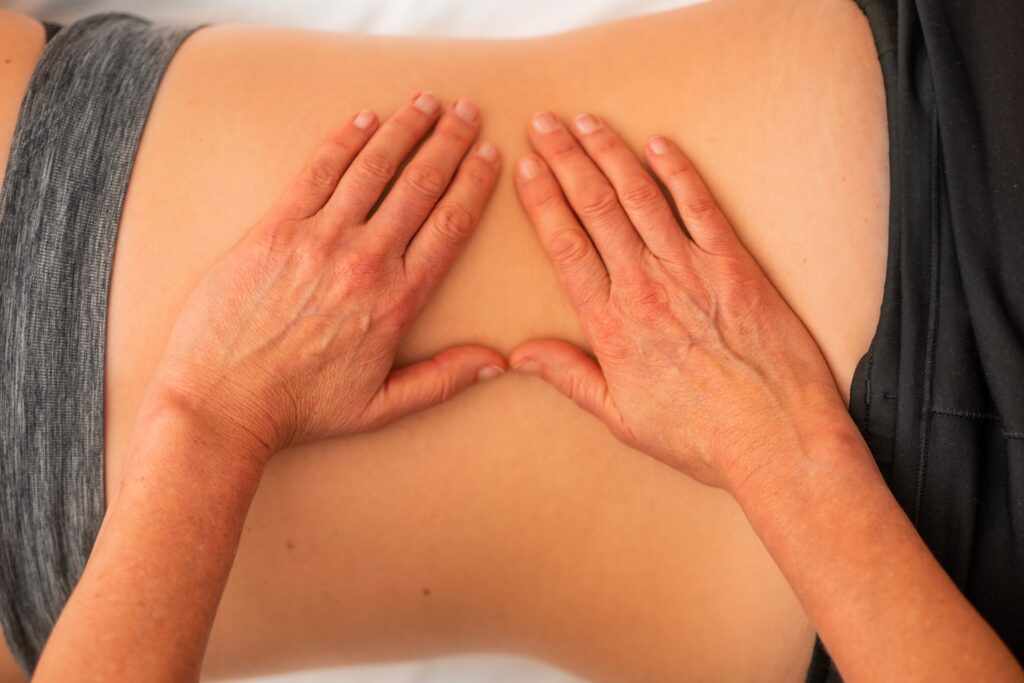
Osteopaths use hands-on techniques, such as joint mobilisation and manipulation, to fix problems in your body’s structure and thereby improve your body’s function.

How can you benefit from osteopathy?
Osteopathy can help improve your overall well-being through hands-on techniques and a holisic approach to healthcare.
Understand your body and its response to pain
Osteopathy helps you understand your body and its response to pain by addressing musculoskeletal issues that may contribute to discomfort. It also teaches you about your body’s interconnectedness and promotes natural healing mechanisms, so you can better manage and alleviate pain.

Prevent future injury
Osteopathy helps prevent future injury by improving your body’s structural balance and mobility, enhancing muscle and joint function.
Relieve and manage injury and pain
Osteopaths can provide guidance on proper posture and movement, reducing the risk of recurring or new injuries.
Osteopathy is an excellent approach for pain relief, injury rehabilitation, and gaining an understanding of your body and how it works.

What can osteopathy treat?
Osteopathy can treat a wide range of conditions, including, but not limited to:
- Back & Neck pain
- Joint pain, such as frozen shoulder or tennis elbow
- Neuralgia
- Sciatica
- Postural problems
- Sports injuries
- Headaches and migraine prevention
- Arthritic pain
- Rheumatic pain
- Fibromyalgia
- Circulatory problems
- Digestive disorders
Osteopaths take a holistic approach to healthcare, addressing the interconnectedness of the body’s structure and function, so they may also help with other health concerns, although the effectiveness of treatment can vary among individuals. It’s important to consult with a qualified osteopath for a proper evaluation and treatment plan for your specific condition.

Osteopathy FAQs
How long does osteopathy take to work?
The time it takes for osteopathic treatment to work can vary widely depending on several factors, including the specific condition being treated, its severity, and individual differences in how the body responds to treatment.
Some people may experience relief or improvement after just one session, while others may require multiple sessions over several weeks or months to achieve their desired outcomes. Osteopathic treatment is often part of a comprehensive care plan, and the timeline for improvement may be discussed with your osteopath during the initial consultation.
It’s important to have realistic expectations and to follow the treatment plan provided by your osteopath. Additionally, individual factors such as overall health, lifestyle, and adherence to any recommended exercises or self-care can influence the speed and effectiveness of osteopathic treatment. Communication with your osteopath is essential to track progress and make any necessary adjustments to the treatment plan.
What’s the difference between osteopathy, physiotherapy and chiropractors?
Each has unique philosophies and methods:
Osteopathy:
- Philosophy: Uses a holistic approach to health. Including the relationship between a person’s physical, mental and social wellbeing.
- Treatment: Uses hands-on techniques like joint manipulation and considers holistic well-being.
- Scope: Treats various conditions holistically.
Physiotherapy:
- Philosophy: Focuses on physical function and mobility optimization, often post-injury.
- Treatment: Uses exercises and manual therapy for function, pain reduction, and mobility.
- Scope: Primarily works on rehabilitation and physical function.
Chiropractic Care:
- Philosophy: Stresses nervous system’s role, correcting spinal misalignments.
- Treatment: Focuses on spinal adjustments, realignment, and offers lifestyle advice.
- Scope: Primarily works on spinal adjustments and overall health.
While these fields differ, they may overlap in treatment aspects. Choice depends on your condition, preferences, and healthcare professional advice. Consult qualified practitioners for the best approach for your needs.
Who should not see an osteopath?
While osteopathy can be beneficial for many individuals, there are specific cases where alternative healthcare approaches may be more appropriate. Such as serious medical emergencies. If you have a medical emergency, such as a heart attack, stroke, or severe trauma, seek immediate medical attention from an emergency department rather than seeing an osteopath.
There are occasions where osteopathy may be appropriate, but caution should be taken regarding the treatment methods chosen.
Please discuss with your osteopath should any of the following apply:
Certain Medical Conditions: such as severe osteoporosis, bone cancer, active infection, or uncontrolled high blood pressure.
Pregnancy: While many pregnant women benefit from osteopathic care, it’s important to inform the osteopath about your pregnancy to receive safe and tailored treatment.
Recent Surgery: Generally, we advise at least 6 weeks between any major surgery and osteopathic treatment. Please discuss the type of surgery and when it may be appropriate to receive osteopathic care with your osteopath as well as your surgeon.
Allergies or Sensitivities: If you have allergies or sensitivities to specific treatment methods or products used in osteopathy, inform your osteopath to ensure safe and appropriate care.
Personal Comfort: If you are uncomfortable or do not wish to receive osteopathic treatment, you have the right to decline or seek alternative care.
It’s important to communicate openly with your osteopath to ensure that osteopathic treatment is safe and appropriate for your specific situation.
If you have concerns or are uncertain about whether osteopathy is right for you, please give us a call and we are happy to discuss this further with you.
Do osteopaths have medical degrees UK?
In the United Kingdom, osteopaths do not hold medical degrees. Instead, they complete a degree in osteopathy. Osteopathy is a distinct healthcare profession with its own educational programmes and qualifications.
Osteopathic education in the UK typically leads to a Bachelor of Science (BSc) or a Master of Osteopathy (MOst) degree. These programmes are typically four to five years in duration and are focused on the study of osteopathic principles, musculoskeletal anatomy, physiology, and clinical practice. The General Osteopathic Council (GOsC) is the regulatory body responsible for overseeing osteopathy in the UK and sets the educational and practice standards for osteopaths.
Osteopaths in the UK are trained in a variety of manual techniques and hands-on approaches to treat musculoskeletal conditions. While they are not medical doctors, they are healthcare professionals who are qualified to diagnose and treat a range of conditions, with a particular emphasis on the musculoskeletal system and the body’s interconnectedness.
Patients seeking osteopathic care in the UK can look for practitioners who are registered with the General Osteopathic Council to ensure that they are receiving care from a qualified and regulated osteopath.
Schedule a consultation
Schedule a consultation with Gabe today and start your journey to pain-free living.